Why anomaly detection matters to companies
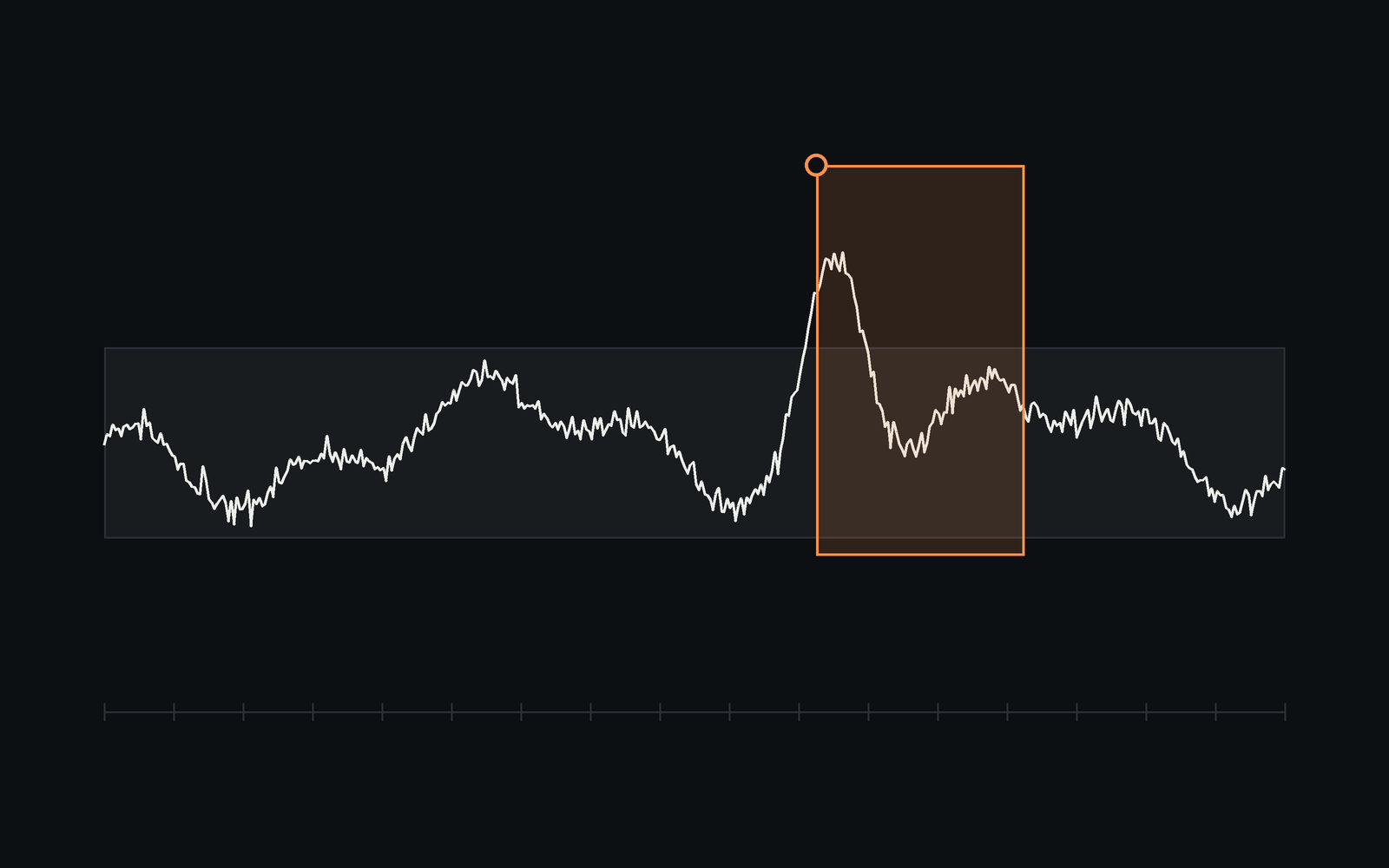
Anomaly detection finds the unusual patterns in a company’s data before they become serious problems: what it is used for, and why it matters.
Anomaly detection finds the unusual patterns in a company’s data before they become serious problems: what it is used for, and why it matters.
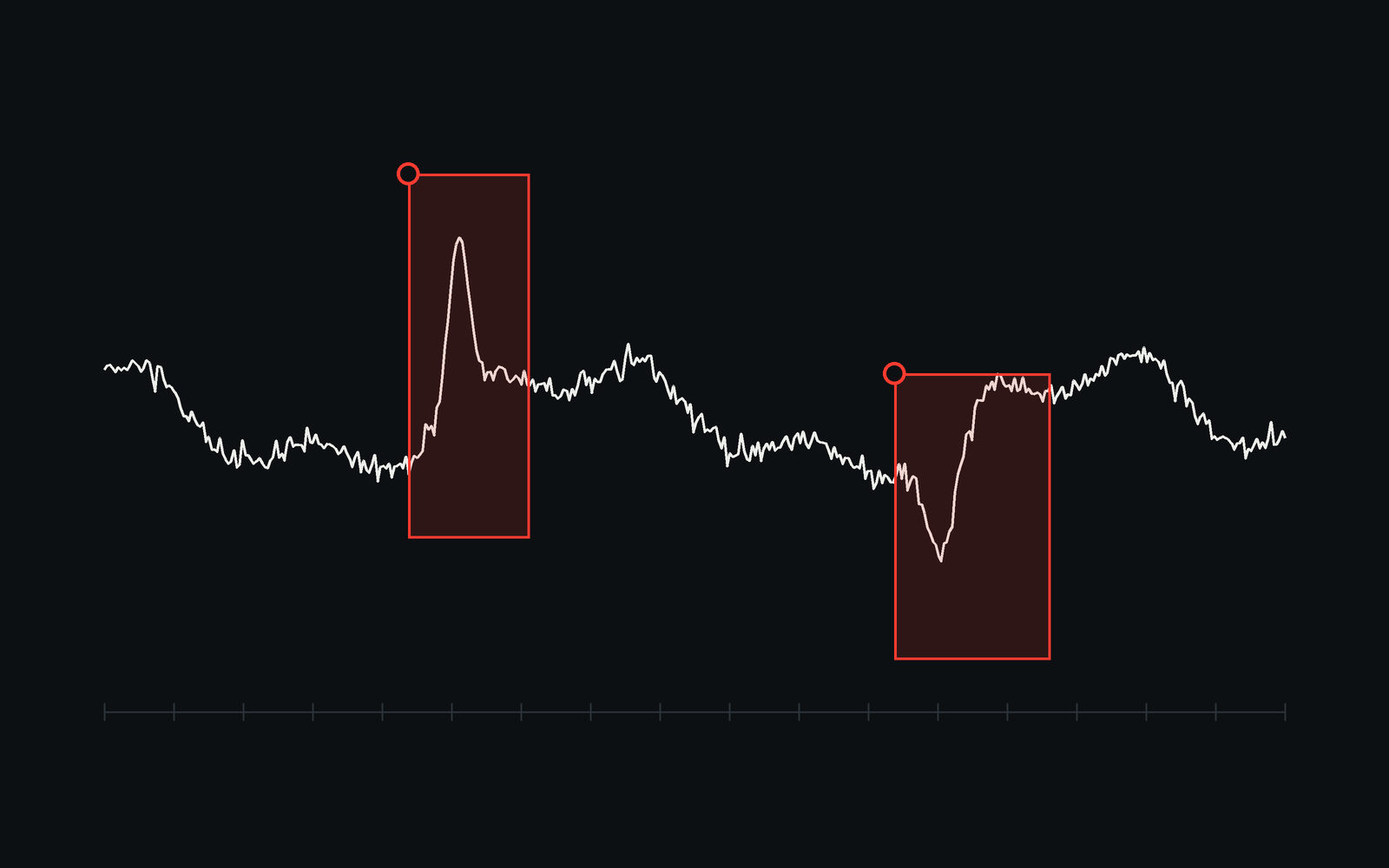
Supervised anomaly detection trains a model on labeled data, where unsupervised methods look for anomalies on their own: how it works, and what it takes.
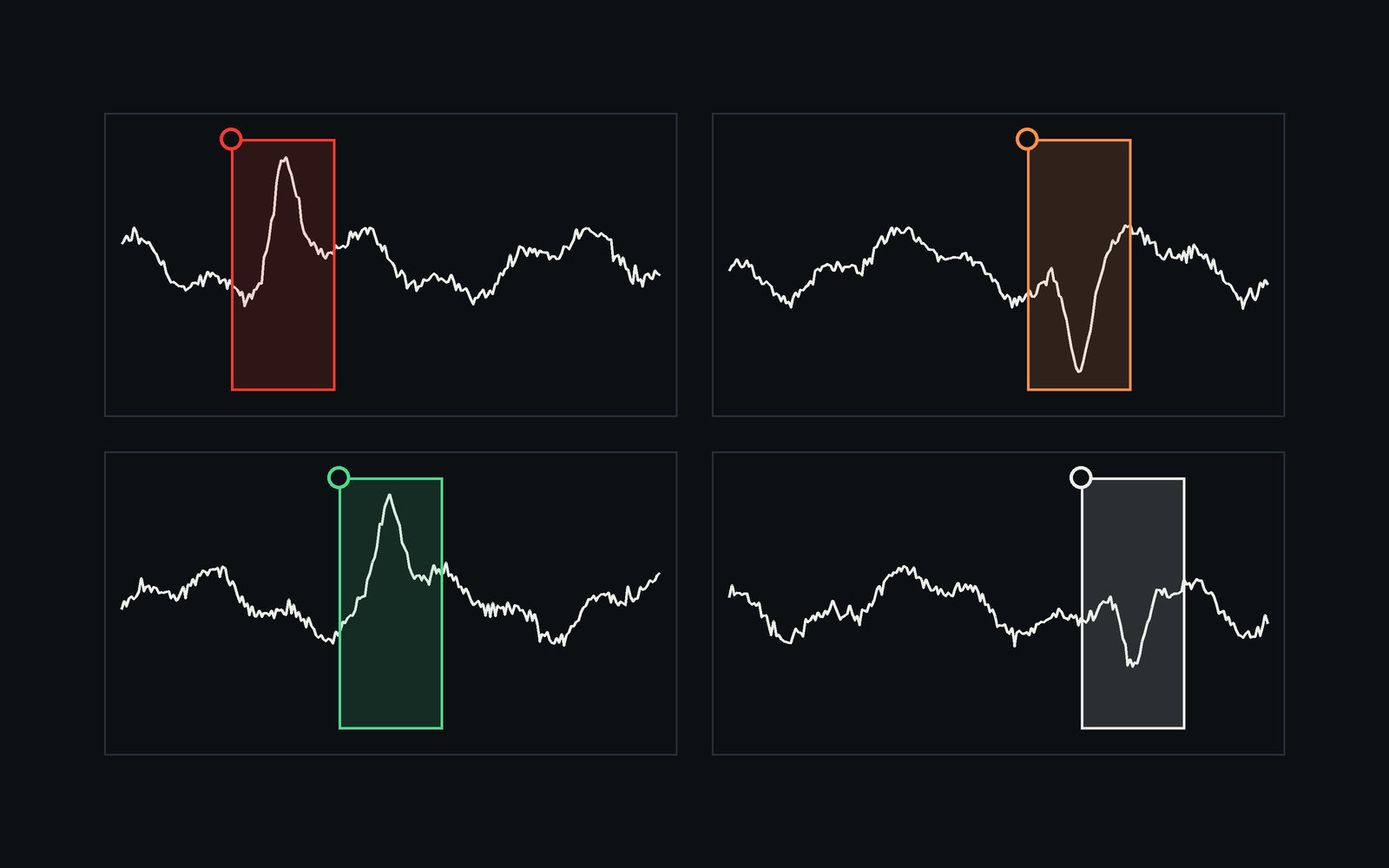
Anomaly detection finds the deviations that signal a failure or a threat. Four domains where it applies: fraud prevention, monitoring, networks, and regression testing.
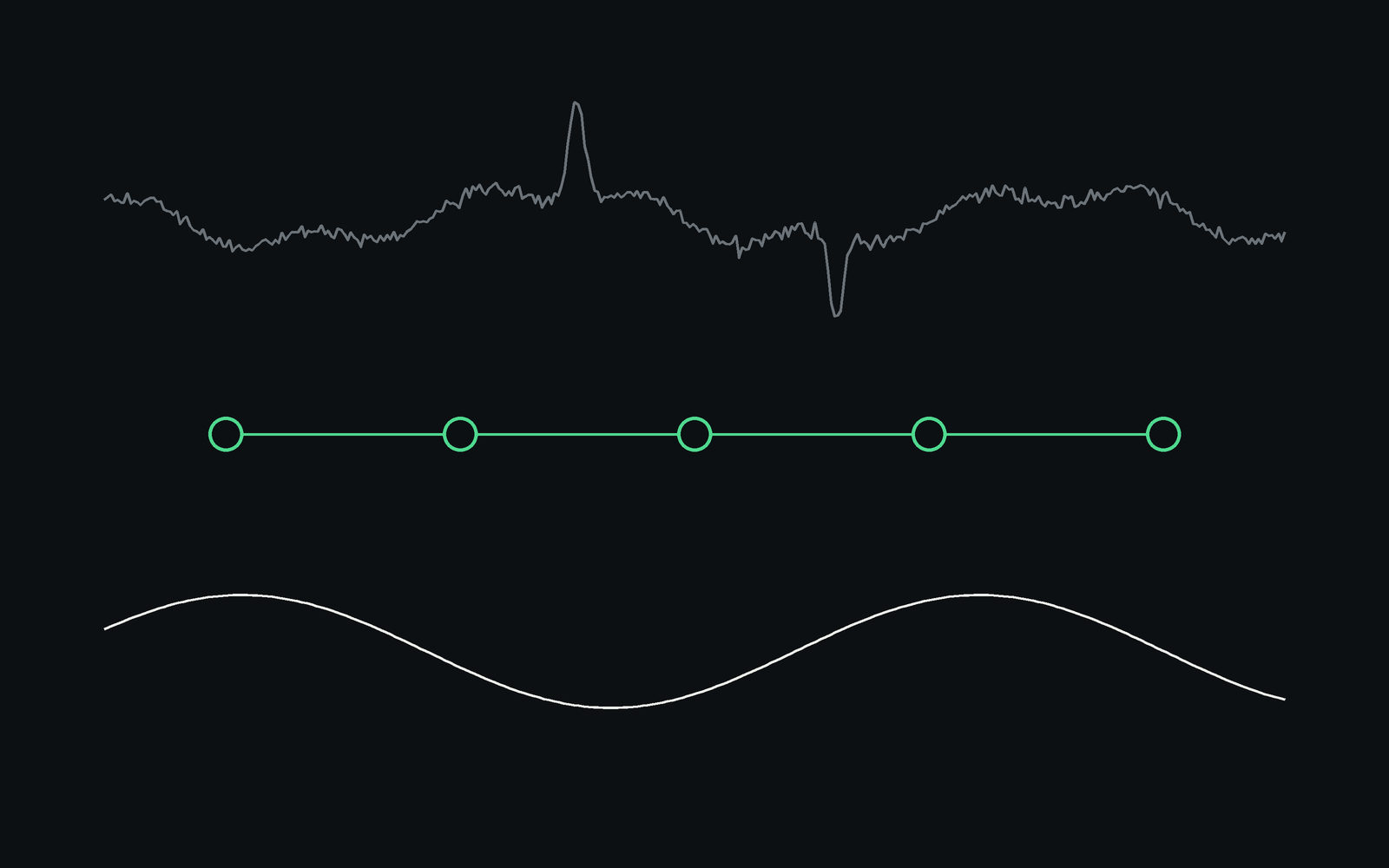
From preparing the data to evaluating the model: the five steps of a time-series analysis project, and what goes wrong at each.
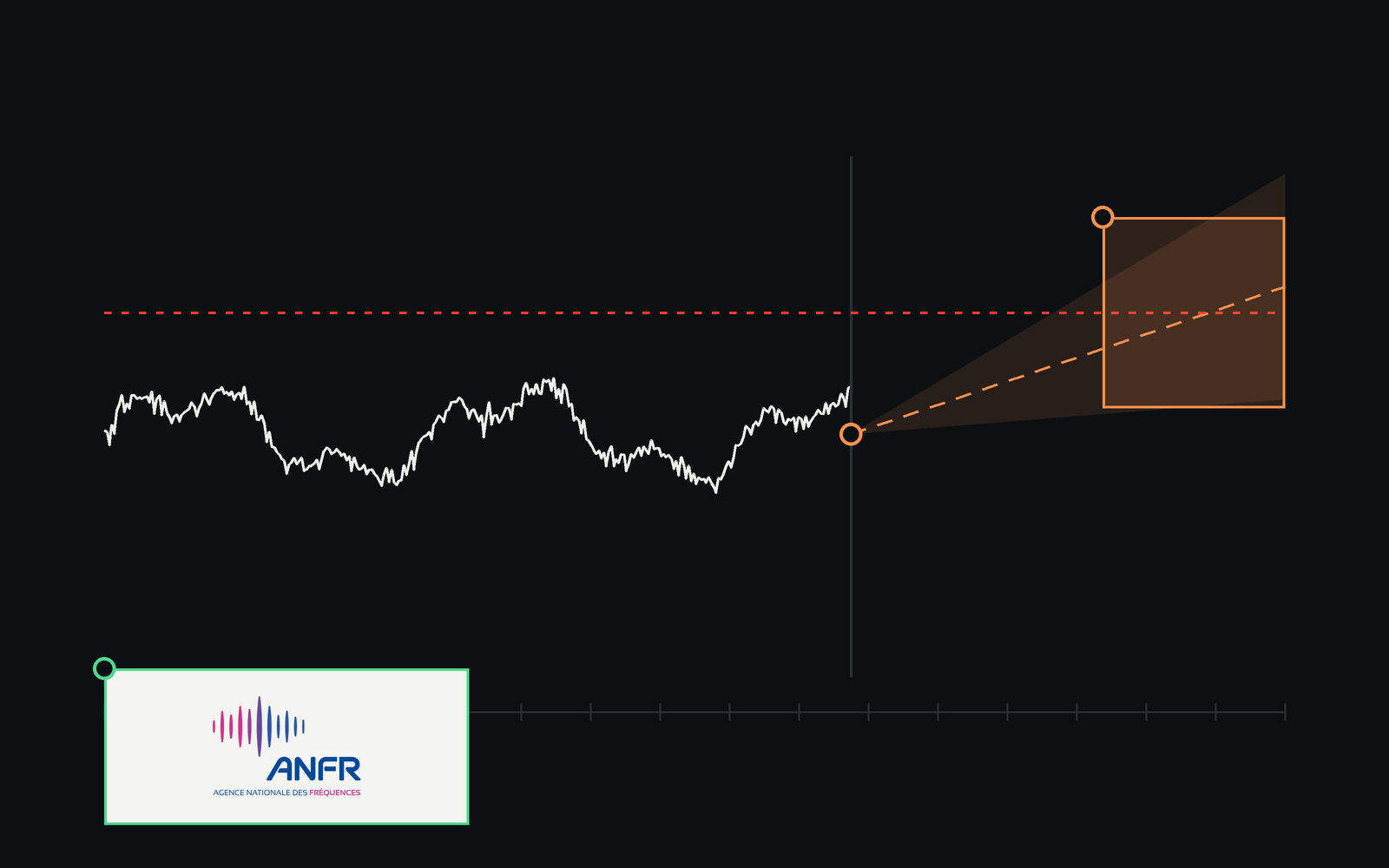
ANFR inspects a national park of more than 76,000 radio sites. Ezako predicts which sites are most likely to show an anomaly, so that inspections go there first.
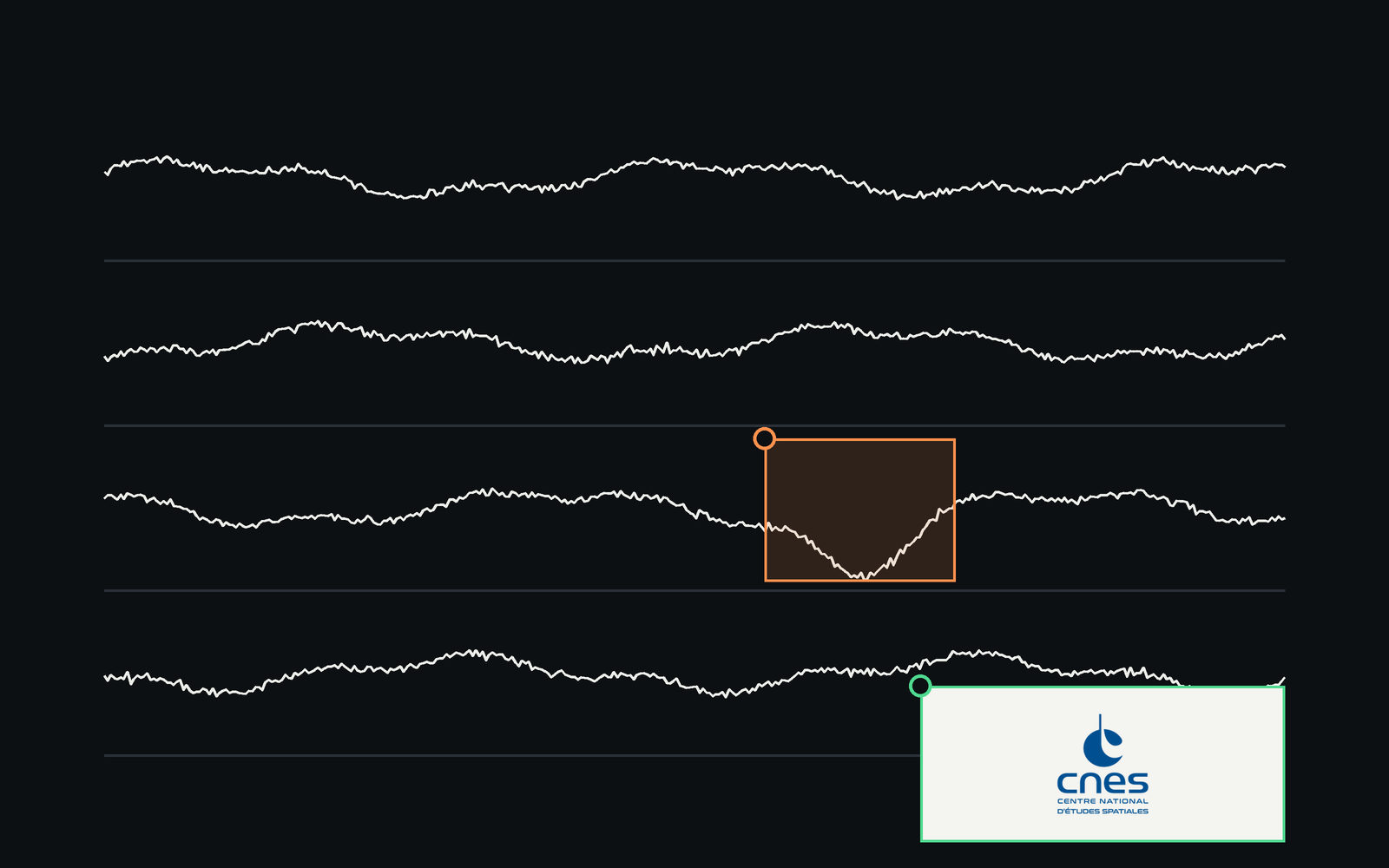
CNES entrusts Ezako with the detection of anomalies in satellite telemetry by machine learning, alongside its conventional surveillance methods.
Ezako’s engineers obtained the Linux Foundation’s Kubernetes certification in 2018, and Upalgo is deployed in containers.
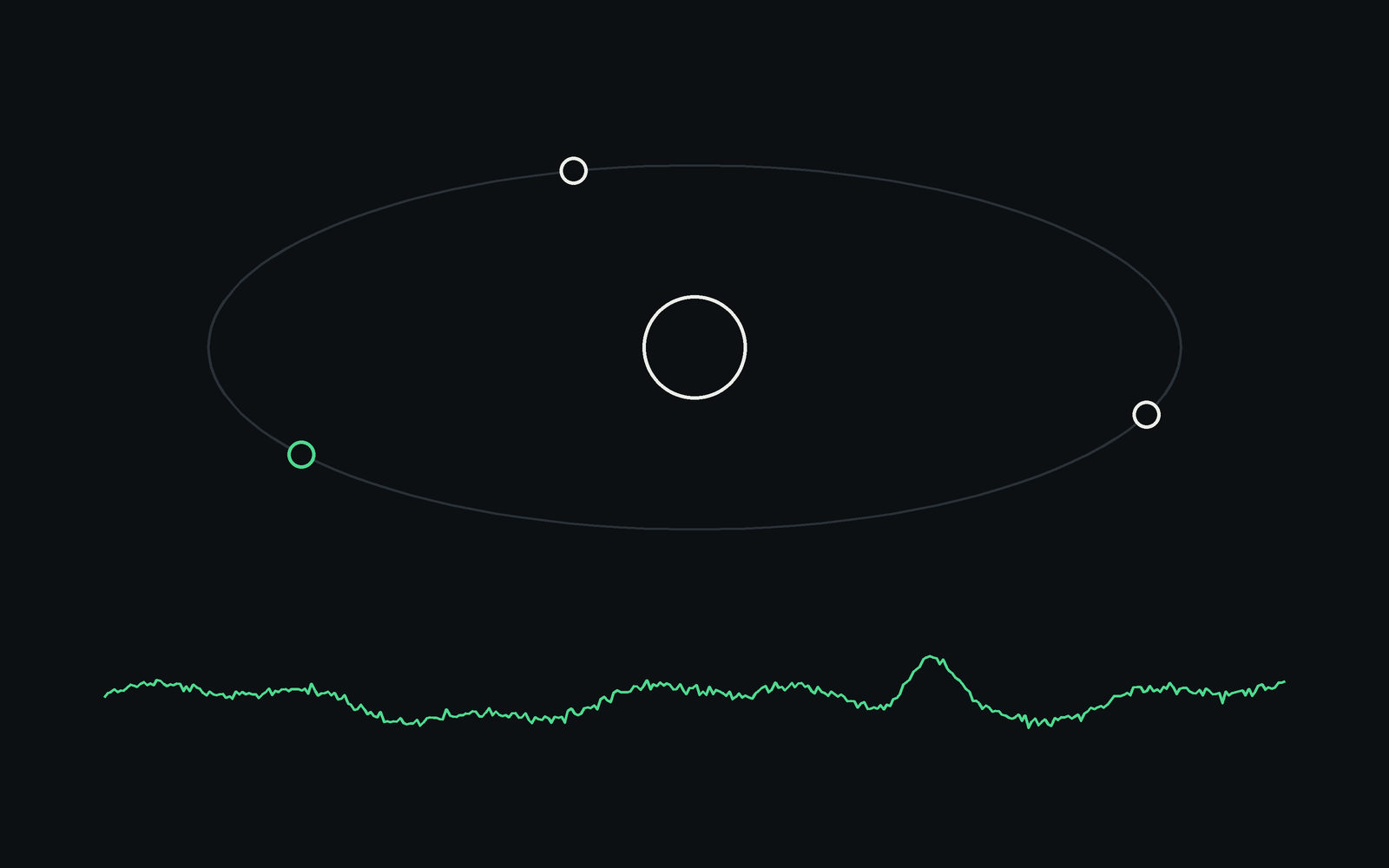
Ezako exhibited at Paris Space Week on 25 and 26 February 2020 at Le Bourget, with a demonstration of anomaly detection in Upalgo.
Ezako exhibited at Automotive Connection on 9 and 10 October 2019 in Saint-Quentin-en-Yvelines.
Ezako exhibited at Aero’Nov Connection on 13 and 14 February 2019 at the Palais des Congrès of Paris-Saclay.
Agriculture uses nearly 70% of the water consumed each year. Three ways data helps manage water: fewer pesticides, fewer losses in municipal networks, and smart meters for citizens.
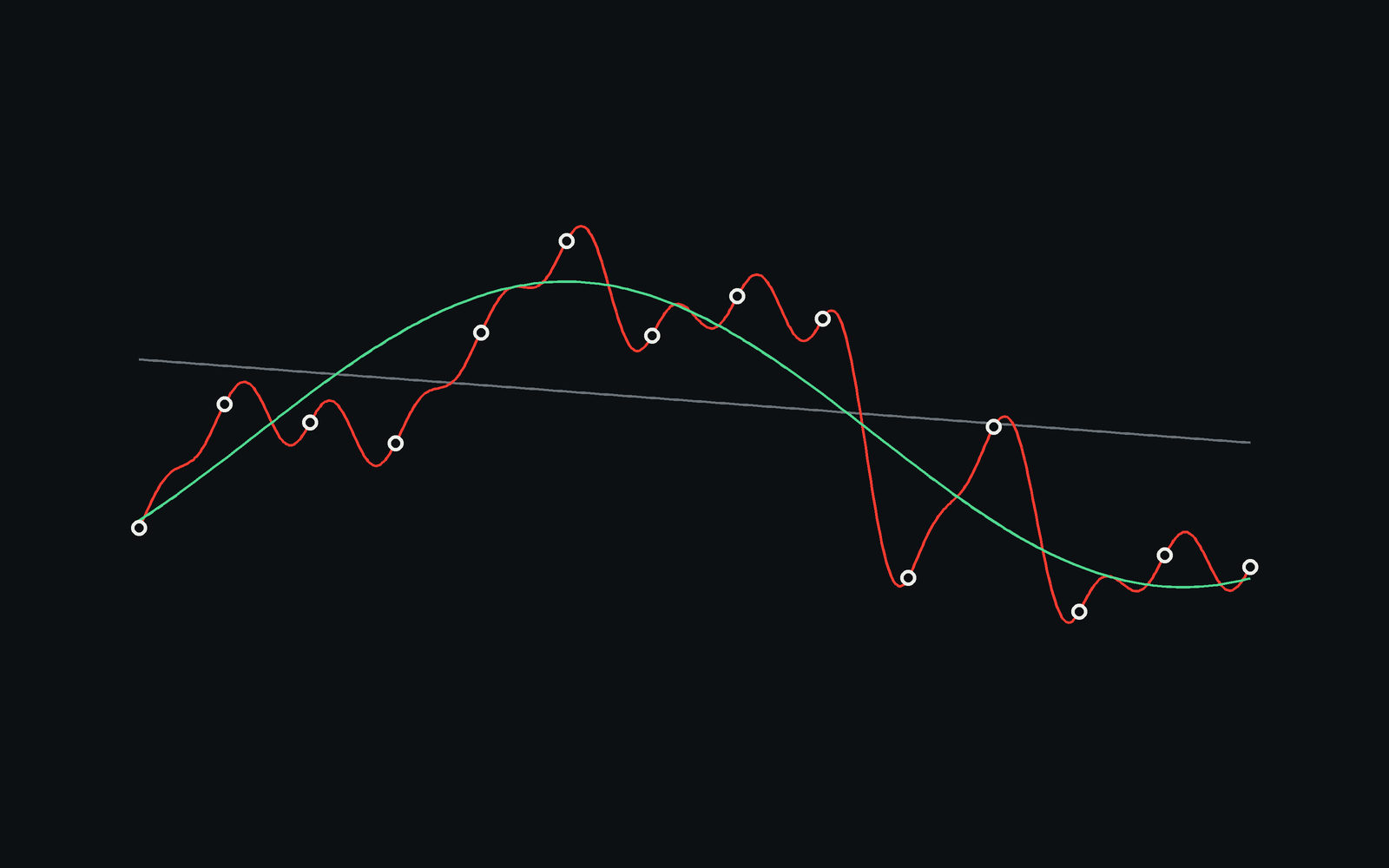
A model that learns its data by heart, and a model that learns nothing from it: what overfitting and underfitting are, and how to avoid both.